

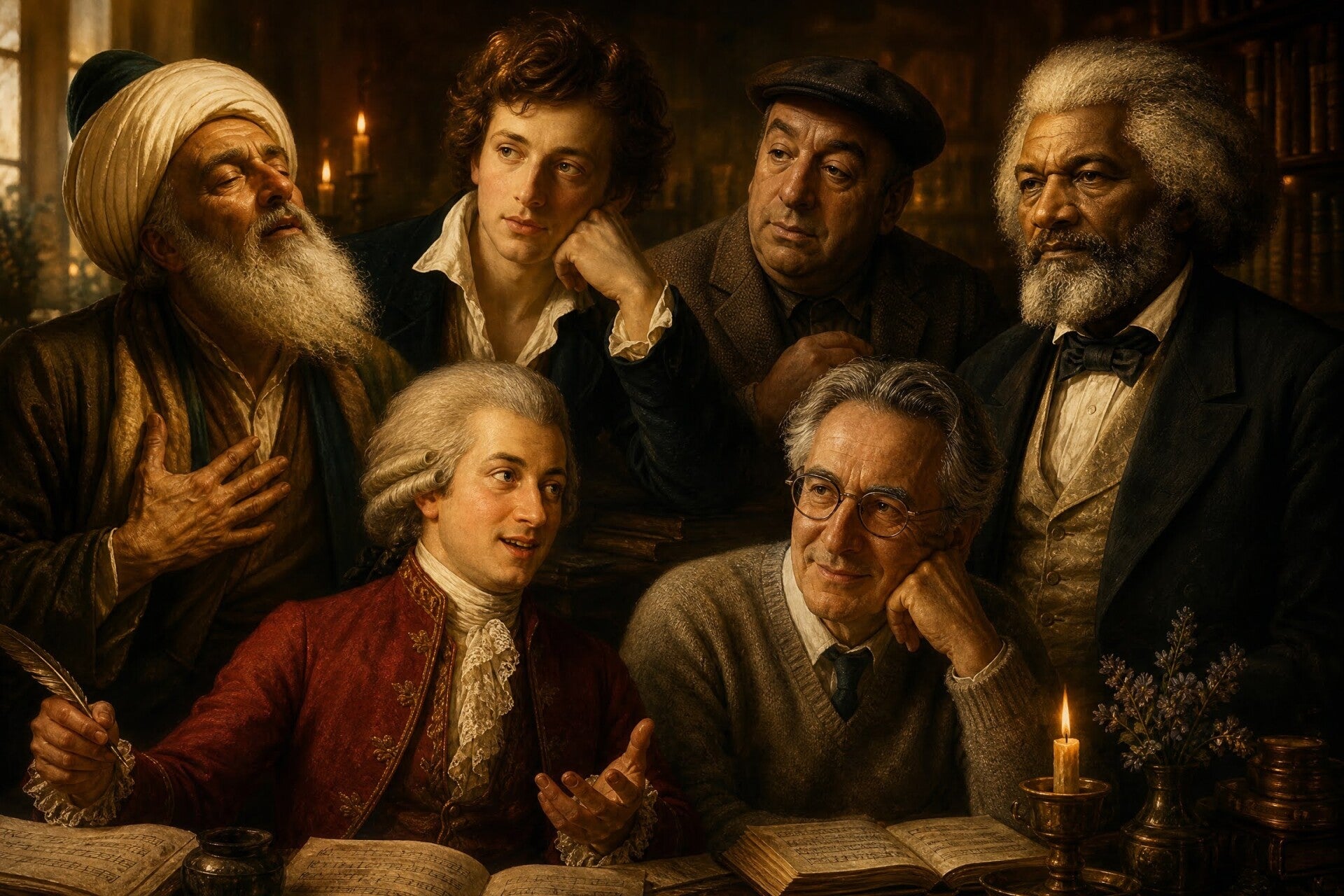
Understanding Jungian Archetypes
Carl Jung defined archetypes as universal, inborn psychological blueprints inherited in our shared collective unconscious that guide human behavior. Swiss psychiatrist Carl Jung believed these ancient patterns appear in dreams, myths, and stories across all cultures. You can explore an overview of these concepts
What is an Archetype?
A mental template: An innate pattern rather than a fully formed idea.
Shared by humanity: Passed down through generations in the collective unconscious.
A driver of action: It shapes how you react to typical life situations.
The 4 Major Archetypes
Jung focused on four core parts of the inner psyche:
The Self: The central core that represents total wholeness and balance.
The Persona: The social mask you wear to fit into society.
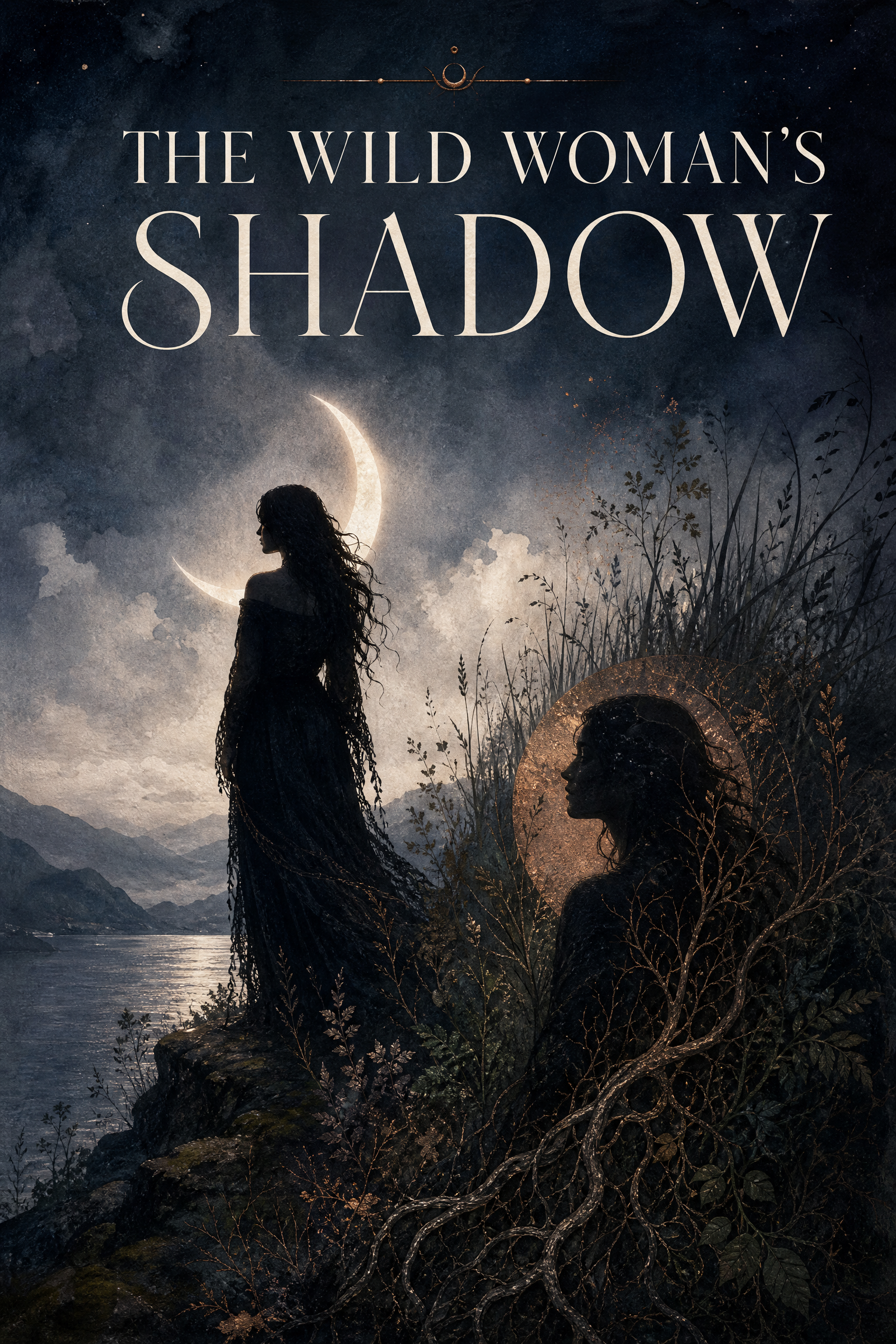
The Shadow: The hidden, dark, or repressed side of your personality.
The Anima/Animus: The inner feminine traits in men, and inner masculine traits in women

An archetype is a recurring human pattern—an inner role, image, or force that shows up in our stories, dreams, relationships, and choices. Jungian archetypes come from the work of Swiss psychiatrist Carl Jung, who proposed that people everywhere share deep psychological patterns he called the collective unconscious.
An introduction to archetypes
Have you ever noticed how certain characters feel instantly familiar?
The courageous person who faces an impossible challenge. The wise guide who appears at the right moment. The rebel who refuses to follow the rules. The caregiver who protects everyone else. The trickster who disrupts the plan—and, somehow, reveals the truth.
These figures appear in myths, movies, novels, dreams, religions, and everyday life. Carl Jung believed that they resonate because they express archetypes: basic patterns through which human beings tend to understand experience.
An archetype is not a personality label or a box you are meant to live in. You are not “just” a Hero, a Caregiver, or a Rebel. Instead, archetypes are more like inner patterns or lenses. Different ones may become more noticeable depending on what season of life you are in, what you fear, what you value, and what you are being asked to become.
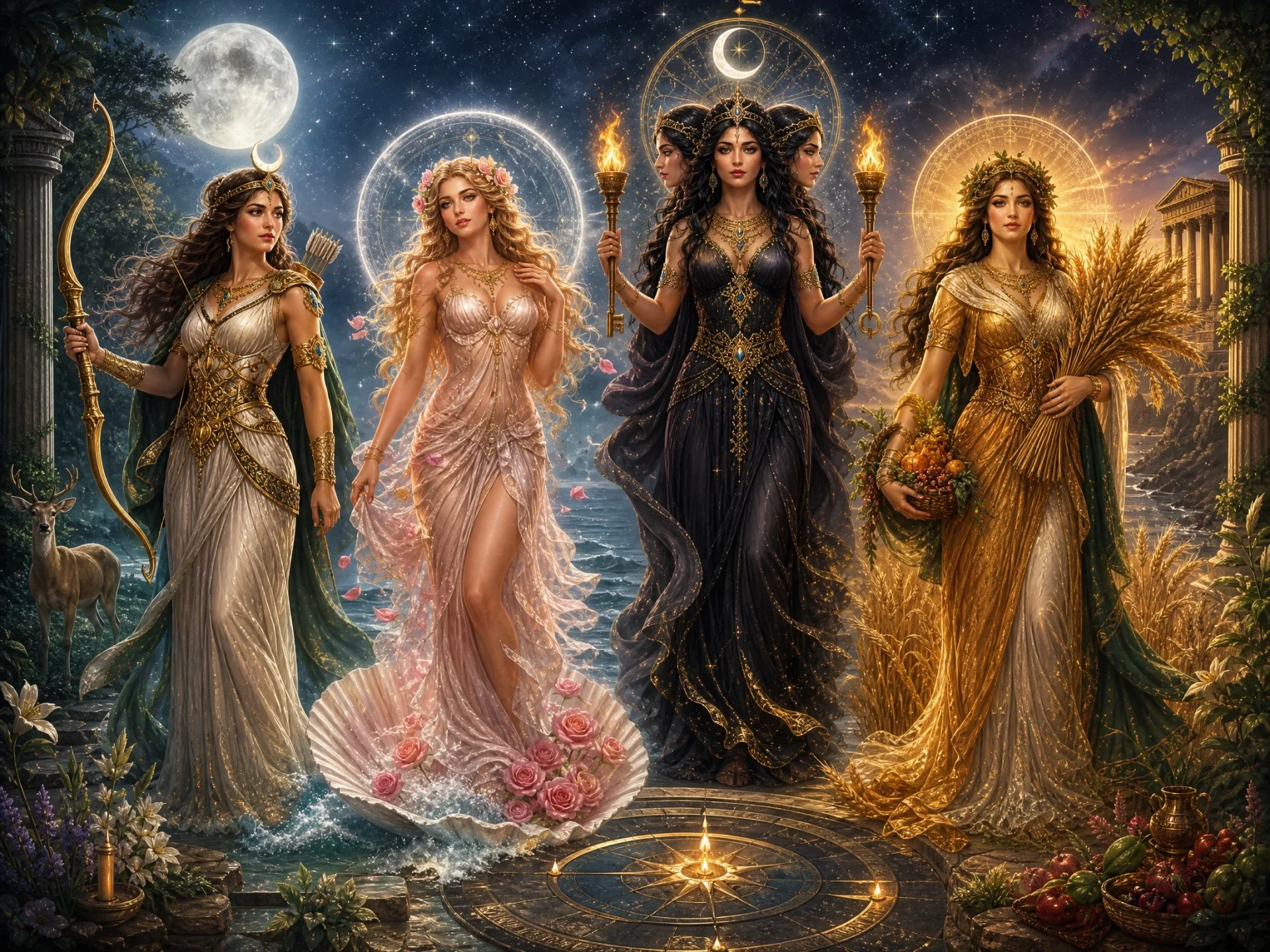
Why Archetypes Matter
Archetypes give us language for experiences that can otherwise feel vague or confusing.
For example:
When you are trying to prove yourself, push through obstacles, or rise to a challenge, the Hero may be active.
When you are caring for family, employees, friends, or a community, you may recognize the Caregiver.
When you feel called to question old rules, leave a familiar path, or reclaim your freedom, the Explorer or Rebel may be showing up.
When life asks you to face traits you would rather deny—anger, jealousy, insecurity, control, fear—you may be encountering the Shadow.
When you sense a need to become more honest, integrated, and fully yourself, Jung would describe that as movement toward the Self.
The value is not in choosing a flattering label. The value is in noticing the pattern honestly. Archetypes can illuminate both our strengths and the ways those strengths can become excessive or limiting.
A protector, for instance, can become controlling. A visionary can become detached from reality. A helper can neglect their own needs. A rebel can resist even the structures that would genuinely support them.
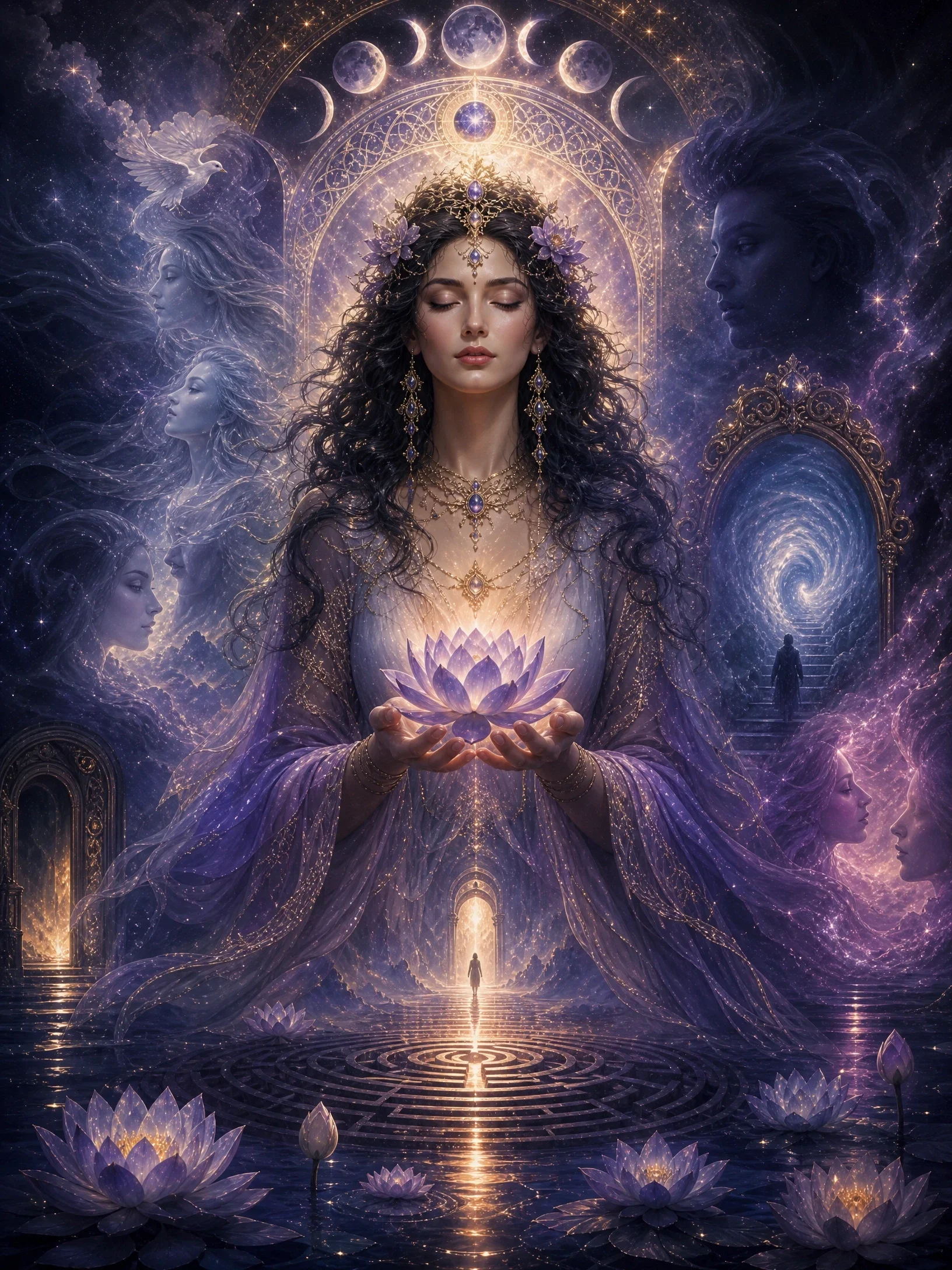
Carl Jung's The Anima
The Collective Conscious
Jung suggested that beneath our personal memories sits a deeper layer of the psyche: the collective unconscious. This was his name for the shared psychological ground from which recurring symbols, emotions, and story patterns emerge.
Think of it this way: you have your own personal history—your childhood, family, successes, disappointments, and memories. But you also recognize certain themes without needing to be taught them in detail: the need for belonging, the fear of the unknown, the pull toward adventure, the desire for safety, the struggle between who you appear to be and who you really are.
Archetypes are the patterns that give shape to these universal human experiences. Jung did not mean that everyone inherits the exact same images or stories. Rather, he described archetypes as underlying tendencies that can take different forms in different people and cultures
Core Jungian archetypes
Jung’s own work emphasized figures and forces such as the Persona, Shadow, Self, Anima/Animus, Hero, Mother, Wise Old Man, and Trickster. The familiar “12 archetypes” often used in storytelling and branding—such as the Hero, Caregiver, Explorer, Sage, Creator, and Ruler—were developed later from Jung-inspired ideas, rather than presented by Jung as one fixed official list.
Here are a few of the most useful starting points:
| Archetype | What it represents | A question to ask yourself |
|---|---|---|
| The Persona | The social face you show the world: your roles, reputation, style, and identity | “Who do I feel I need to be for others?” |
| The Shadow | The traits, feelings, and impulses you reject, hide, or project onto others | “What in other people triggers me so strongly?” |
| The Hero | Courage, effort, growth through challenge, and the desire to overcome | “What challenge am I being asked to meet?” |
| The Caregiver | Protection, service, compassion, and responsibility | “Am I helping from love—or from fear of being needed?” |
| The Sage | Truth-seeking, reflection, knowledge, and perspective | “What do I need to understand more clearly?” |
| The Explorer | Freedom, discovery, self-direction, and the search for a more authentic path | “Where am I ready to outgrow the familiar?” |
| The Trickster | Disruption, humor, unpredictability, and the exposure of false certainty | “What is this chaos trying to reveal?” |
| The Self | Wholeness: the fuller integration of conscious and unconscious parts of you | “What would a more complete version of me include?” |
Archetypes in everyday life
You do not need to analyze dreams or read ancient myths to begin noticing archetypes. You can see them in ordinary moments.
Imagine a business owner facing a difficult decision. The Hero may appear in the willingness to take responsibility and act despite uncertainty. The Ruler may appear in the need to create order, set standards, and lead. The Caregiver may show up in how they treat customers and support a team. The Shadow may appear as perfectionism, over-control, resentment, or a fear of failure disguised as “high standards.”
None of these patterns is automatically good or bad. The question is whether you are consciously working with the pattern—or whether it is quietly running the show.
That is one of the central invitations of Jungian thought: pay attention to the parts of yourself that are active, especially the parts you usually avoid. Greater self-awareness does not mean becoming perfect. It means becoming less divided within yourself.
A simple way to begin
Start by noticing which stories, people, or roles consistently move you. Ask yourself:
1. Which characters do I admire most—and why?
2. Which kinds of people frustrate or intimidate me?
3. What role do I fall into under stress: rescuer, achiever, critic, rebel, peacemaker, entertainer, controller?
4. What quality in myself do I rarely show?
5. What part of me might I be ready to understand rather than suppress?
Archetypes are not a test that tells you who you are once and for all. They are a way to explore the many forces shaping your inner life. Used thoughtfully, they can help you recognize your gifts, confront your blind spots, and make choices that are more aligned with who you are becoming.
Who benefits from Jungian archetypes?
Jungian archetypes offer transformative insights for a diverse audience. Young adult professionals embarking on their careers, college students navigating new phases of life, and anyone committed to personal growth will find immense value. If you're seeking to understand yourself more deeply and become the best version of who you are, this journey is for you.


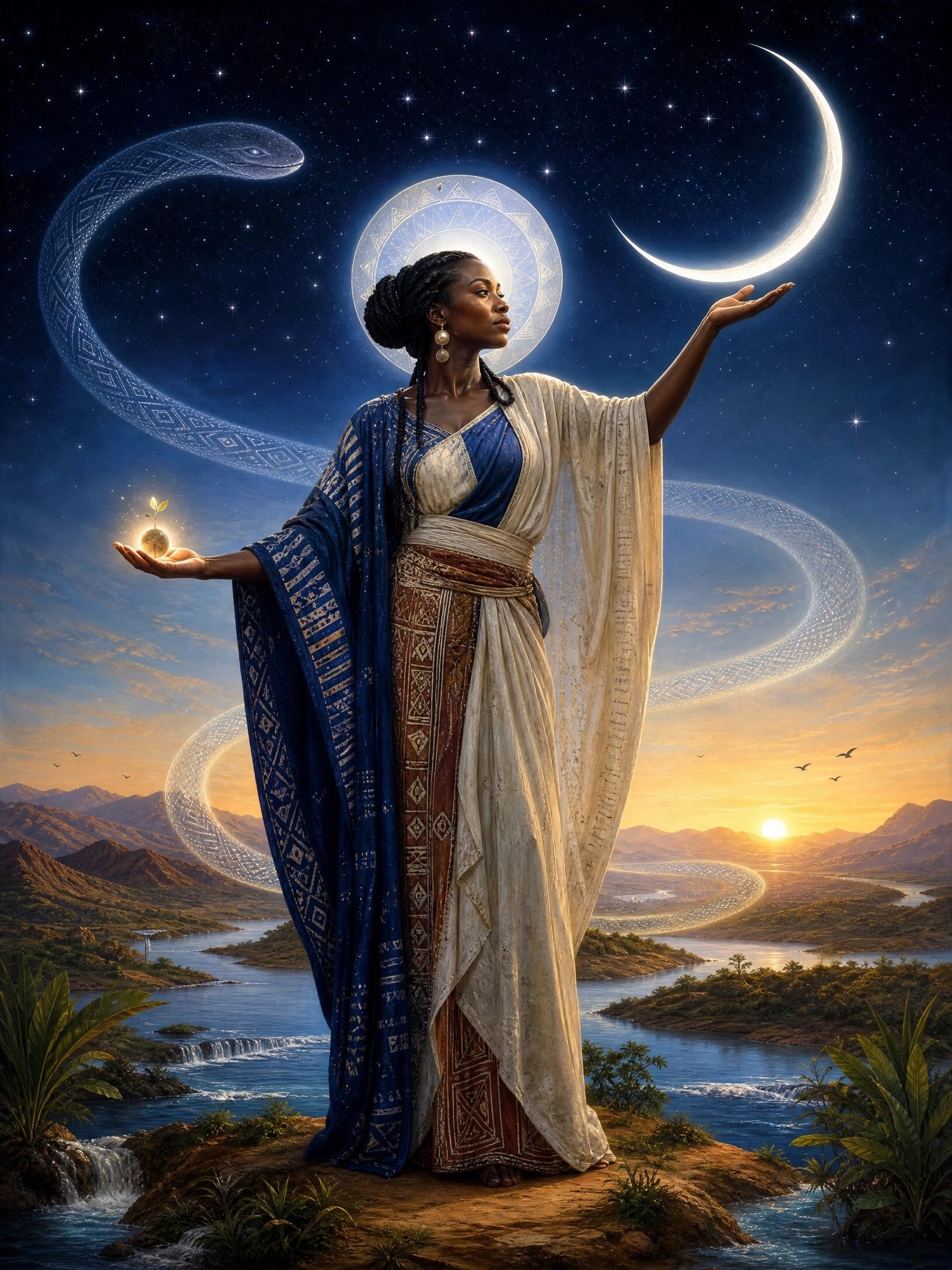
Your blueprint for wholeness
The most crucial understanding about Jungian archetypes is that they serve as blueprints of the collective unconscious within the human psyche. This exploration is entirely about you; it's your personal framework to achieve wholeness. While the journey can be intense as it uncovers deep truths, the insights and revelations you gain lead to profound spiritual enlightenment.
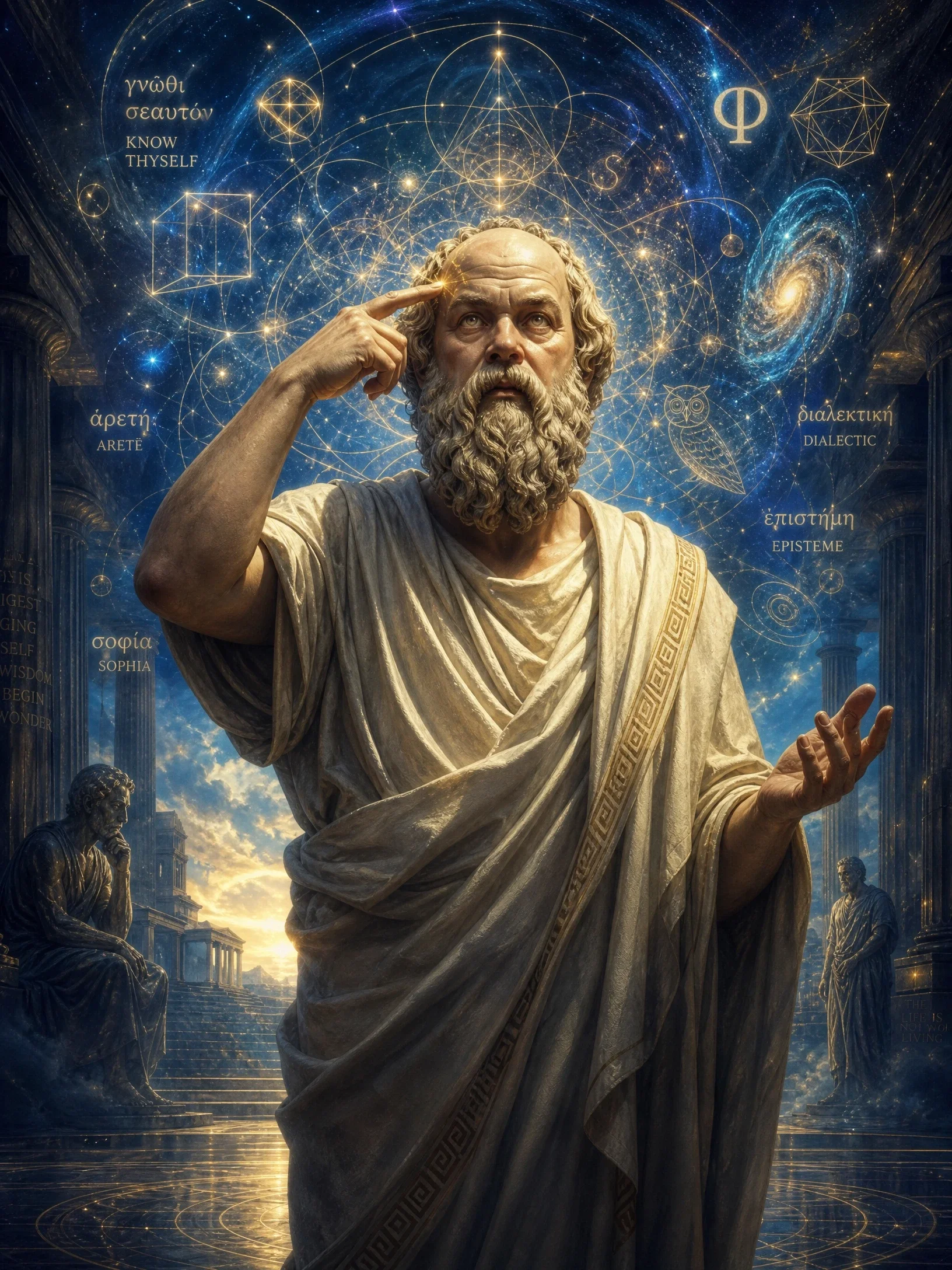
Our unique approach to archetypal wisdom
What makes our teaching of Jungian archetypes truly special? We offer structural depth, not just inspiration. Each archetype, from the Maiden to the King, receives rigorous treatment including scenario-based questions, real case studies, shadow work, role-play prompts, and "the murky middle"—the space between light and shadow often overlooked in other teachings. Our shadow work is built-in, not an add-on, ensuring you meet the whole pattern of each archetype. We also ground our understanding in real women and history, drawing from diverse mythological and historical figures across cultures to provide rich, specific examples without recycling. This approach creates a comprehensive and engaging learning experience, even in our journals
The Seven Warrior Virtues
"The depth and clarity with which The Divine Collective explains Jungian archetypes are unparalleled. It's truly a transformative experience!"
Amber W.